

NVBA News Blog
American Robin. Photo: Mick Thompson/Audubon Photography Awards
Welcome to the blog for Northern Virginia Bird Alliance, a wealth of resources about northern Virginia birds, wildlife, habitat conservation and restoration, native plants, wildlife-friendly gardening, advocacy and more.
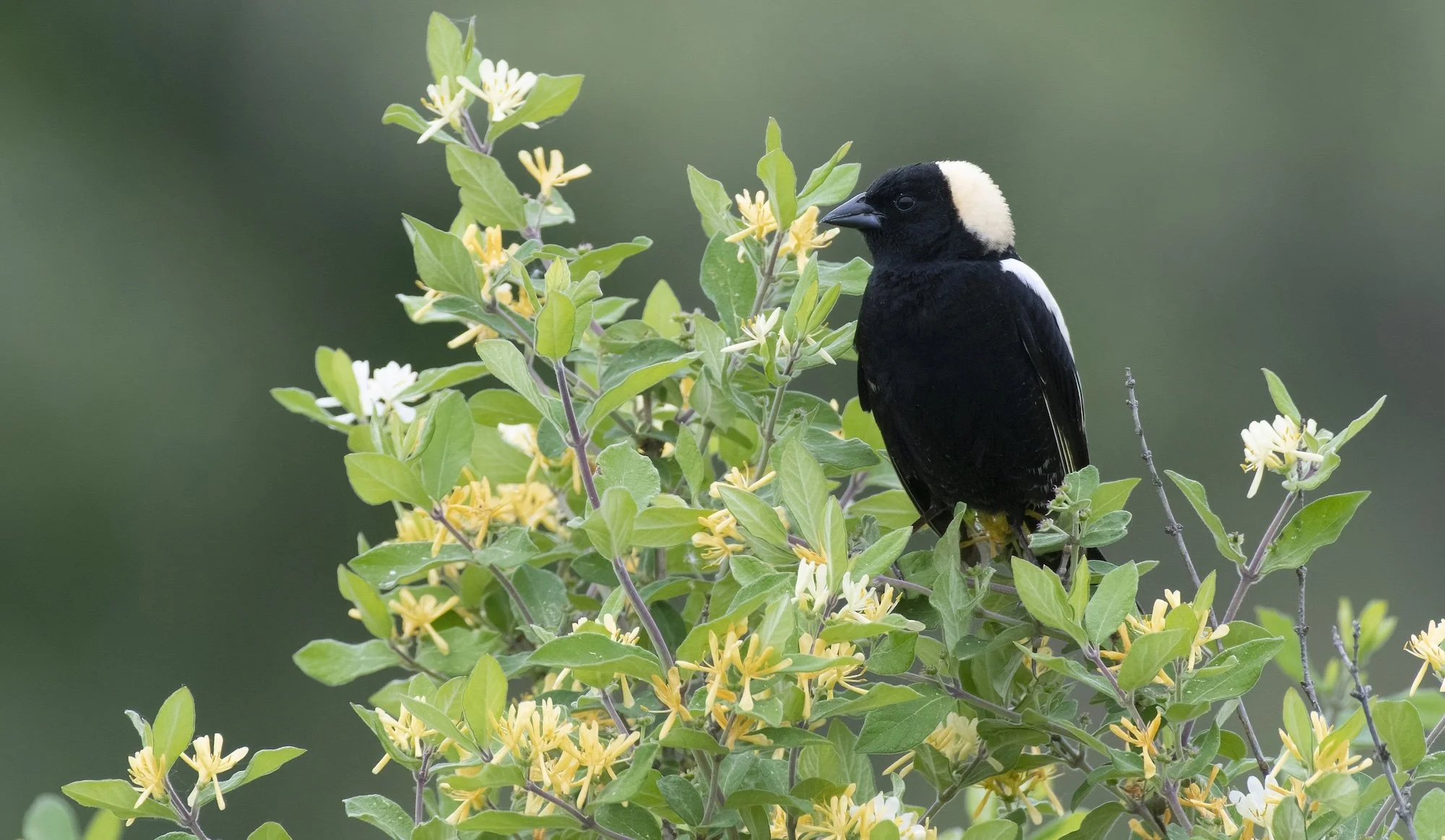
The Bobolink
The Bobolink, Dolichonyx oryaivorus, also called the rice bird or rice bunting, is yet another migrating songbird that has declined in population over the last fifty years.

King Rails at the Tipping Point in Northern Virginia
King Rail populations have declined over the last ten years primarily due to habitat loss. King Rails are among northern Virginia birds that BirdLife International’s State of the Birds 2022 identified as at a tipping point for extinction, having lost half of their population in the last 50 years, and on a trajectory to lose another 50% in the next 50 years if nothing changes.

Proposed Alpine-X Indoor Ski Resort Detrimental to Grassland Bird Habitat
People don’t typically think of landfills as birding hotspots, but southeastern Fairfax County’s Lorton I-95 Landfill Complex is one.

Help ASNV Save Globally Rare Habitat
Audubon Society of Northern Virginia is urging the Fairfax County Board of Supervisors to protect important wetland habitat on South Long Branch.
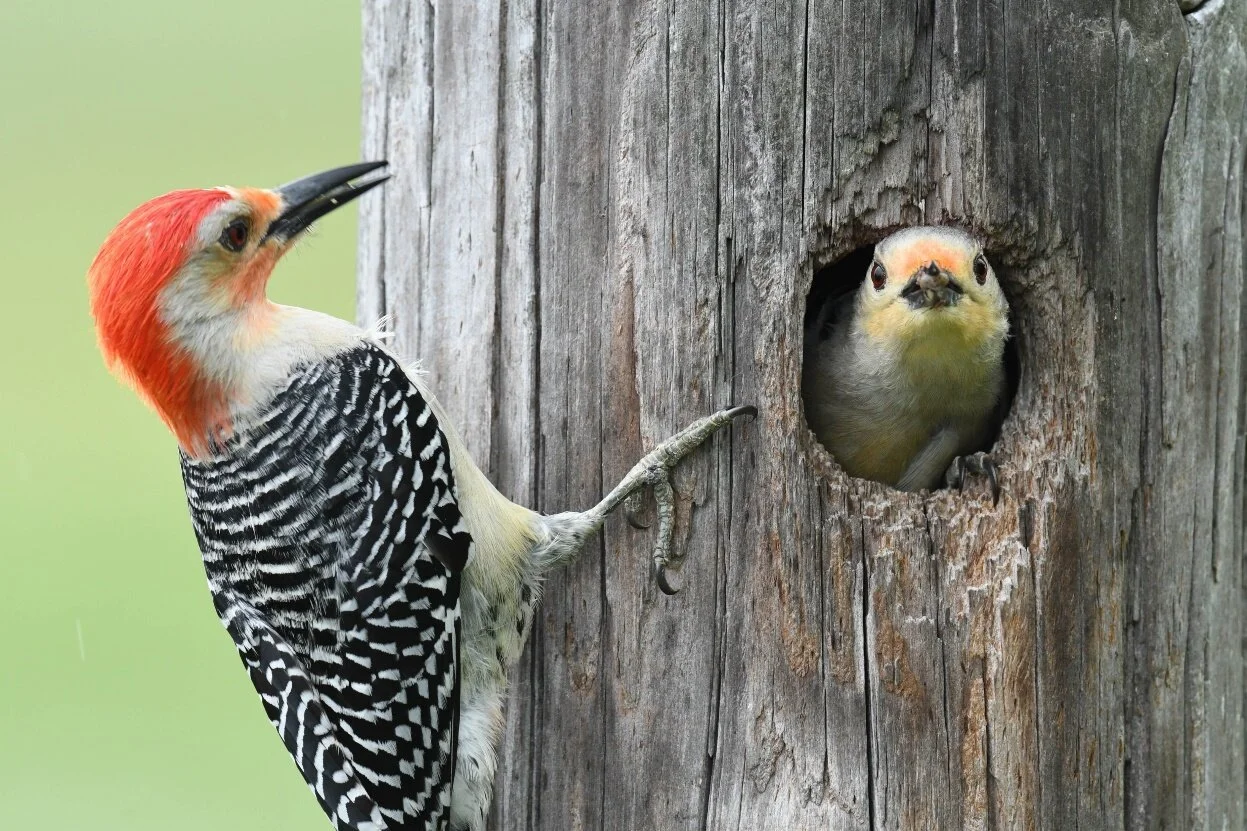
Hosting Cavity Nesting Birds in your Yard
Encouraging cavity nesting birds in suburban yards requires knowledge of birds and insects and how to support them. Larry Cartwright shared his knowledge with AAH Ambassadors in February.

Historic River Farm Property in Peril
River Farm, a historic 25-acre property on the Potomac River, may be sold to private developers. The American Horticultural Society (AHA), the owner of the property, has issued a request for proposals to purchase the property to create an endowment for the organization.

Plastic is One of the Largest Culprits Harming Birds and Wildlife Today
Zach Huntington used to guide fishing tours out on the Potomac. While floating along the river in his kayak, he started noticing a significant amount of habitat loss and a glaring volume of garbage washing up on the shores and islands of the Potomac.

Non-toxic Mosquito Control
It’s summertime and mosquito control companies are once again pushing their services to kill mosquitoes in your yard. Although the companies may claim they target only mosquitoes, the products they use have a broader impact.

Bringing Peregrine Falcons Back to Virginia’s Mountains
A team brings at-risk Peregrine Falcon chicks from bridge nest sites in eastern Virginia to Virginia’s mountains, once part of their historic range. They hope the birds will imprint on the park's cliffs and return as breeding adults.

Cats and Birds – An Unnatural Mix
Last month, the Potomac Flier article “Three Billion Birds” summarized the alarming decline of birds in the US and Canada since 1970. Habitat loss is the biggest driver of that decline. The second biggest driver is free-roaming domestic and feral cats.

3 Billion Birds
Wild bird populations in the continental US and Canada have declined by almost 30% since 1970, representing a loss of nearly 3 billion birds. This loss astounded Cornell Lab of Ornithology conservation scientist, Ken Rosenberg. Rosenberg led an international team of scientists from seven institutions in the analysis of population trends for 529 bird species. The journal Science published the study results in September.

Bald Eagles Down in the Dumps?
Even if you have not visited the Prince William County landfill, you may have heard that it is a magnet for Bald Eagles, among other birds, including clouds of gulls. You can stand at a random spot and count more than 20 adult eagles at a time.
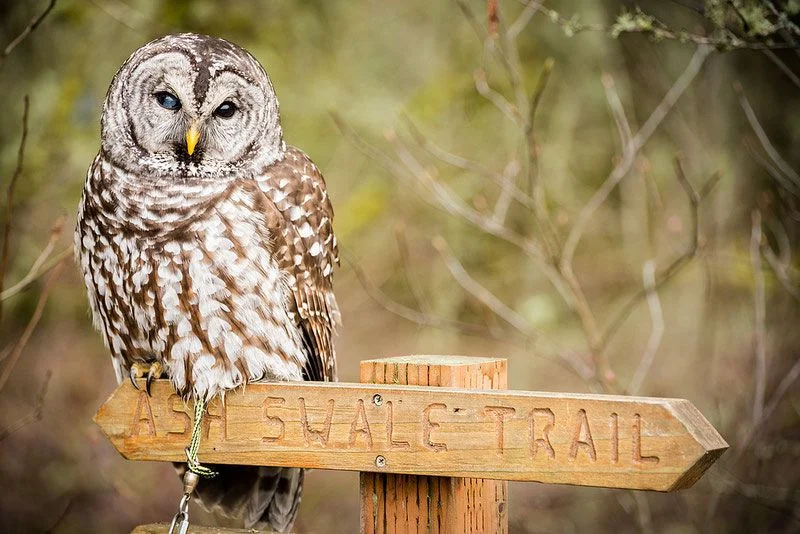
Bird of the Month: The “Sparred” Owl
The Spotted Owl just can’t get a break. Endemic to old-growth forests in the Pacific North west, the endangered owl’s population was already declining due to deforestation, but now they have been forced to accommodate an inconsiderate guest: Barred Owls. Native to the eastern half of North America, the Barred Owl’s territory has been expanding westward since the turn of the last century.