Upcoming Workshops and Classes
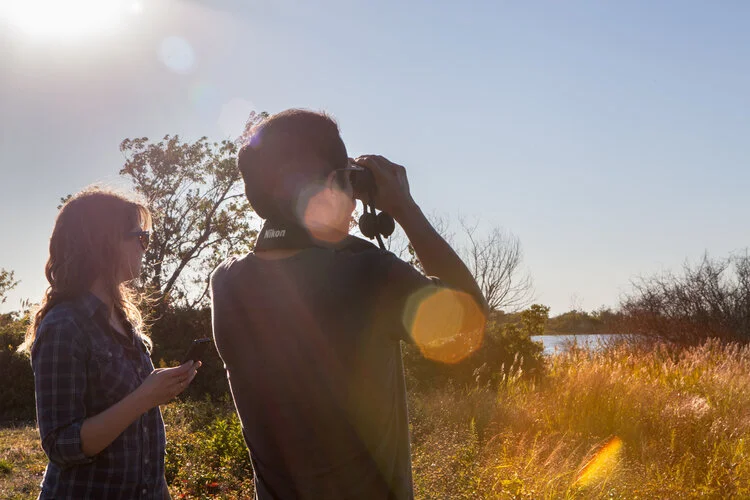
We have some great workshops and classes lined up. Join us!
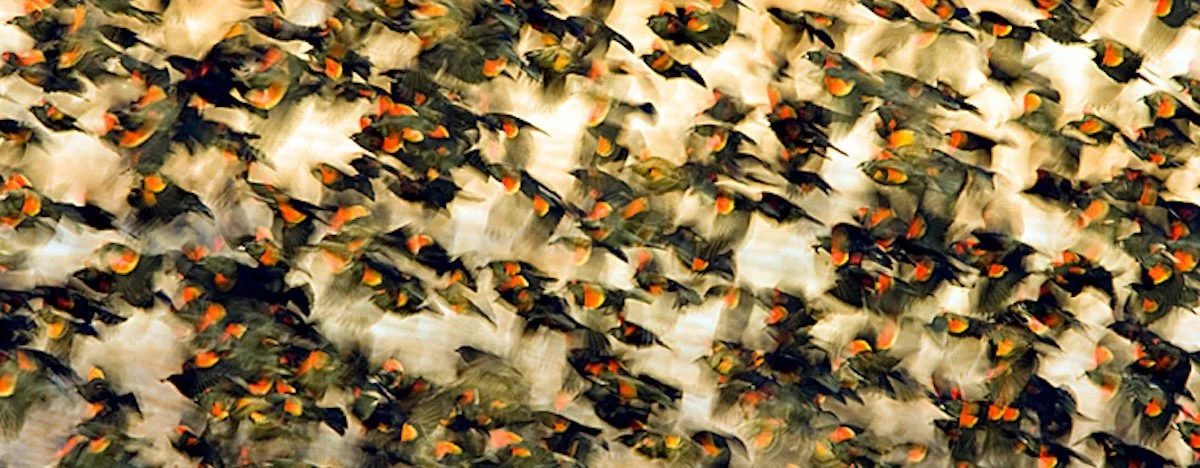
Photo: Black Vultures, Joe Subolefsky/Audubon Photography Awards
Tundra Swans
If youāre lucky, thereās still time to see these spectacular winter visitors.
Photo: Tundra Swans, Kent Blumberg
Invasive Plant Legislation Moving Forward
The Virginia legislature appears to be intent on taking steps to slow the environmental and economic harm that invasive plants are causing.
Photo: Invasive vines, Valerie Morgan
The Latest on Avian Influenza
Spring migration is about to begin. What about bird flu?
Photo: Green-winged Teal, Gary Zahm/Audubon Photography Awards
Itās Spring! Is it Time to Plant?
Spring arrives March 20, but donāt move too fastā¦
Photo: Mertensia virginica (Virginia Bluebells), Cbaile19, CC0, via Wikimedia Commons
NVBA Helps Preserve Urban Forest in Fairfax
Following a long and hard-fought campaign, the Fairfax City Council voted not to proceed with constructing the George Snyder Trail
Photo: View of the path of the proposed trail, Val Morgan
Conserving and Enjoying Nature
Northern Virginia Bird Alliance is a chapter of the National Audubon Society.
Our mission is to engage all northern Virginia communities in enjoying, conserving, and restoring nature for the benefit of birds, other wildlife, and people. We advance our mission through educational programs, citizen science, conservation initiatives, and advocacy initiatives. We envision a world where people, wildlife, and their habitats thrive.
Letter to Our Members: Handling the Cold
I expect that many of you have wondered during the past frigid, snowy, and icy weeks, āHow can birds survive the winter here?ā That question has had me thinking too, and the answer seems to boil down (pun intended, see below) to two types of responses, i.e., behavioral and physiological, or a combination of the two..
Photo: Tufted Titmouse, Catherine McEntee/Audubon Photography Awards
News
The latest stories from NVBA. Looking for a particular topic? Try searching our site. We have hundreds of articles full of great information about everything from birds to advocacy to native plants.
You still have time, if youāre lucky, to see one of our most spectacular winter visitors: the Tundra Swan. Hundreds of these graceful white birds spend the winter in the Chesapeake Bay and tidal Potomac from November through mid-March. When they gather in large flocks, the sight is unforgettable.
Spring migration is about to bring millions of birds north along the Atlantic Flyway, a welcome sight for Virginia bird-lovers emerging from a season of persistent cold and stubborn snowbanks. With these birds, concern is also returning about a bird flu outbreak that has been active in the U.S. since early 2022.
The Virginia legislature appears to be intent on taking steps to slow the environmental and economic harm that invasive plants are causing. State legislators introduced seven bills relating to invasive plants in the 2026 legislative session, and all of them are proceeding through the legislative process.
Few people find visiting a landfill enticing, but some of our avian friends do. Grassland and other birds are using a closed portion of the I-95 landfill, according to a recently released Fairfax County report.
Celebrate the end of winter by helping Fairfax Tree Rescuers clip invasive vines and dig up invasive plants to save trees!
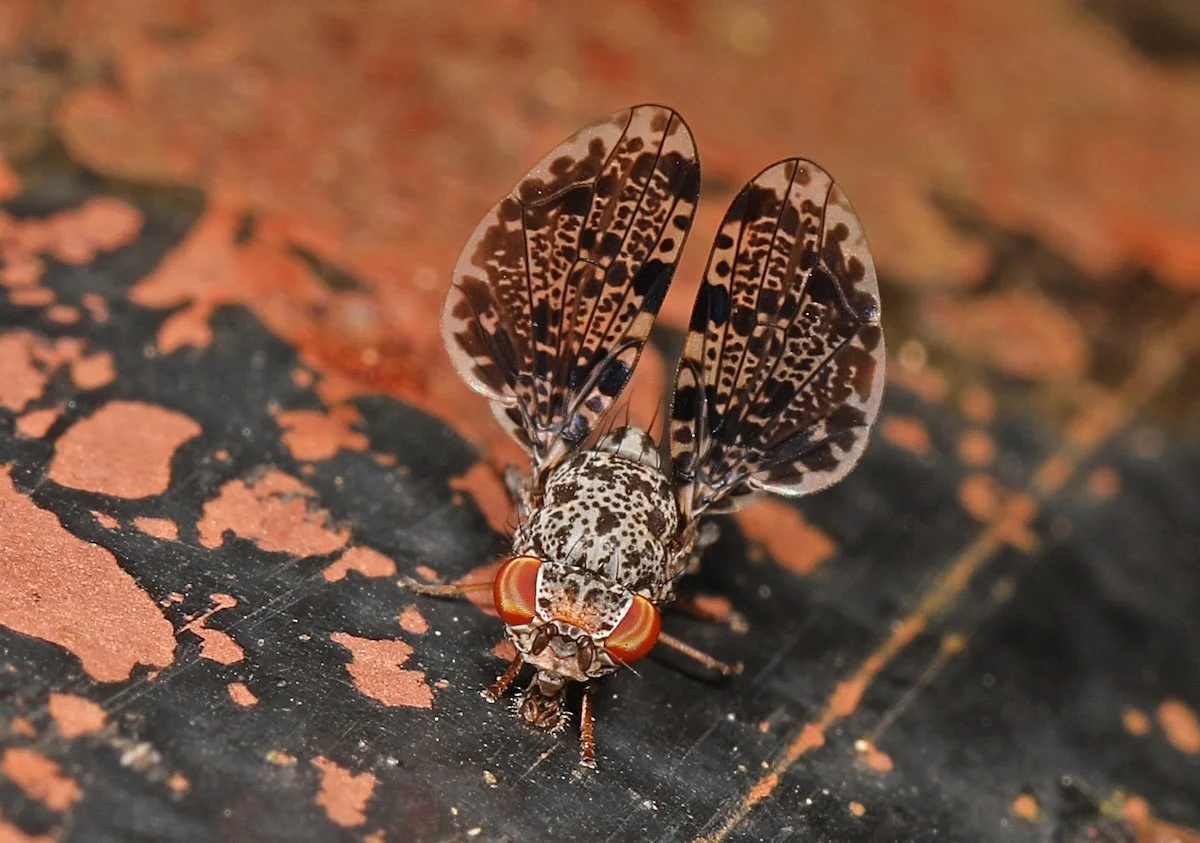
Judy Gallagher is an NVBA board member and a regular surveyor of local wildlife who also captures photos of what she sees, in particular the less common species.
Spring arrives on March 20. Those occasional warm sunny days that occur in early spring may signal that it is time to add to your native plant gardens. But donāt move too fast!
Following a long and hard-fought campaign by environmental advocates, the Fairfax City Council voted not to proceed with constructing the George Snyder Trail, which would have destroyed much of the cityās urban forest. This victory for the environment over development is a classic demonstration of the effort needed to secure an environmental āwin.ā
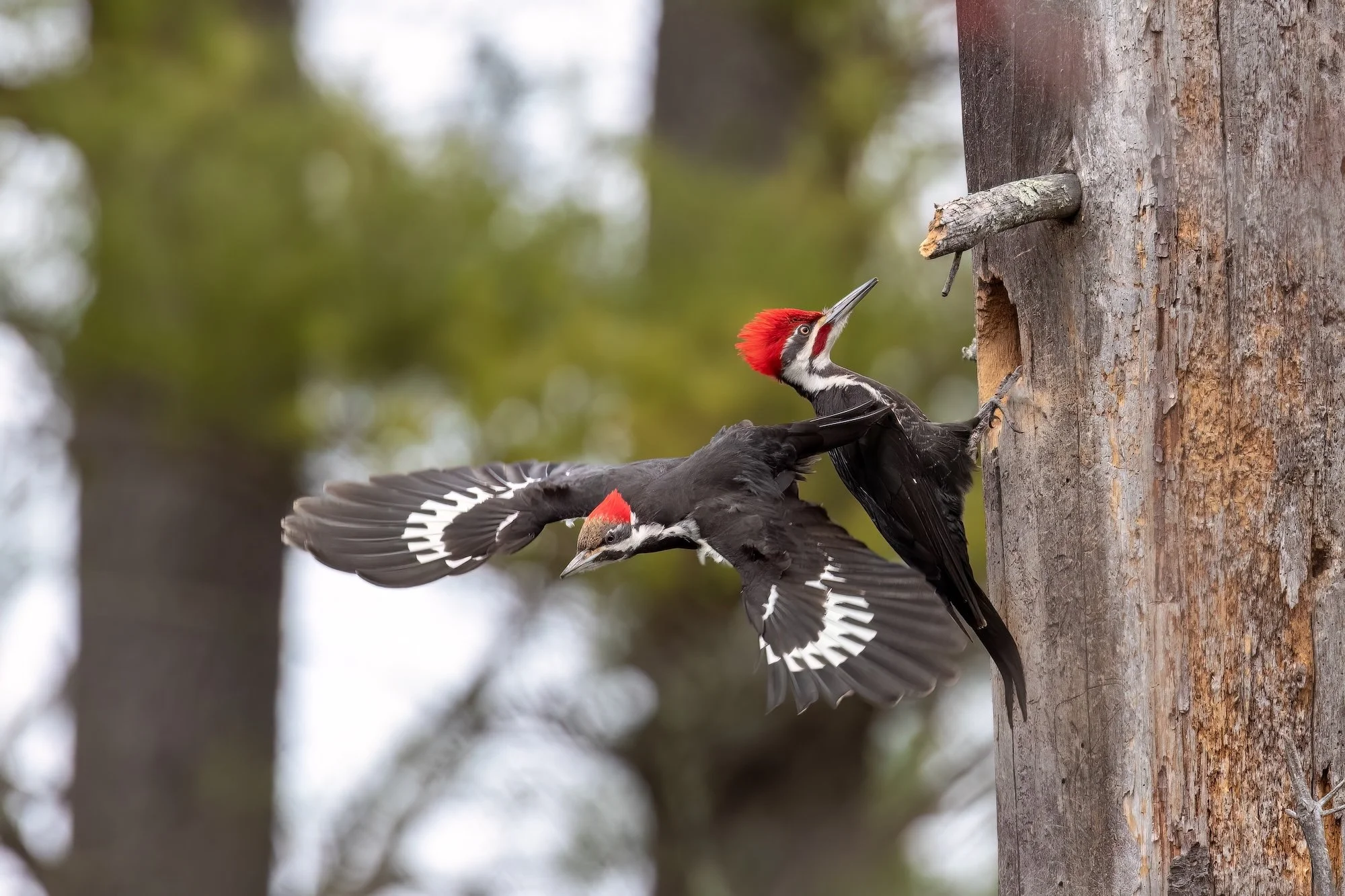
An āirruptionā is a large-scale movement of birds to a new area, somewhat similar to migration. However, unlike regular fall and spring migrations, irruptions are typically driven by resource availability (such as food scarcity) and thus occur more randomly, with some winters seeing big irruptions and others seeing none at all.
Breeding bird atlases have a long history in the United States, where they are typically conducted at the state level. Like road atlases, at their core they are centered around maps, but the maps relate to the geographic distribution and abundance of breeding bird speciesāthat is, where they are found on the landscape and in what numbers.
February is a daunting, cold month for sure. But winter dormancy is for plants, not humans, and February can be the perfect time to plan additions to your native plant garden. It is also a great time to remove some invasive non-native species.
Find more stories on our News page.
Upcoming Classes and Events
We have resumed some in-person bird walks and are holding our classes and events both in person and online. You can also watch recordings of past virtual events on our Online Programs page.